Nonprofit leaders spend much of their time focused on immediate needs: serving the community, supporting staff, raising operating funds, and responding to unexpected challenges. With so many competing priorities, long-term financial planning can easily be pushed aside.
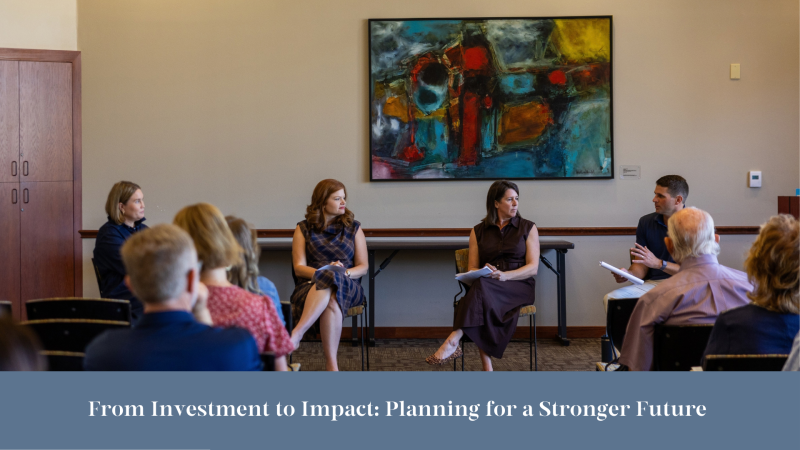
At Waco Foundation’s recent “From Investment to Impact” forum, nonprofit and financial leaders discussed how reserves, endowments, and other invested funds can help organizations become more sustainable. The conversation brought together
- Natalie Kelinske, Senior Director of Communications and Donor Services at Waco Foundation
- Carrie Spivey, Executive Director of the Animal Birth Control Clinic
- Jed Cole, founder of Brick Street Holdings and a member of Waco Foundation’s Investment Committee
One message emerged throughout the discussion: long-term financial strength begins with a plan.
Plan Before the Gift Arrives
A large unrestricted gift or bequest can create an exciting opportunity, but it can also raise difficult questions. Should the money support current programs? Should some be placed in reserves? Should a portion be invested for the future?
Those decisions are easier when an organization has already established a policy. A plan can identify who should be involved, what factors should be considered, and whether a portion of certain gifts should be set aside for long-term sustainability.
The policy does not have to anticipate every situation. Its purpose is to give staff and board members a shared framework before a major gift arrives. A sample Unrestricted Funds Allocation Policy is available from Waco Foundation upon request.
Understand the Difference Between Reserves and Endowments
Reserves and endowments both contribute to financial stability, but they serve different purposes.
A reserve fund functions much like organizational savings. The nonprofit can access the money when needed to manage uneven cash flow, respond to an unexpected expense, or take advantage of a new opportunity.
An endowment is intended to remain invested permanently and provide ongoing support over time. For a newer endowment, an organization may choose to leave the earnings invested for several years so the fund can grow before distributions begin.
Neither option replaces annual fundraising or a sound operating budget. Instead, reserves and endowments give an organization more flexibility when funding changes or unexpected needs arise.
Begin With Cash Flow
Before deciding how much money to invest, an organization should understand when its revenue comes in and when expenses must be paid.
A month-by-month cash-flow projection can help staff and board members identify high and low periods throughout the year. It can also show how much money needs to remain readily available and whether some funds could be invested for a longer period.
The decision is not simply whether to keep money in cash or invest it. The more useful question is: What is this money intended to do, and when might we need it?
Funds needed in the near future may require a stable, accessible option. Funds intended to support the organization years from now may be better suited for long-term growth.
Financial Stability Supports the Mission
Some nonprofit leaders worry that having reserves or an endowment could make their organization appear less deserving of grants. In many cases, the opposite is true.
Healthy reserves can demonstrate responsible stewardship and thoughtful leadership. They show that an organization is preparing to continue its work if a grant ends, revenue is delayed, or an unexpected expense occurs.
For the Animal Birth Control Clinic, establishing endowed funds provided a safety net as the organization considered future building needs and the growing demand for affordable spay-and-neuter services. Knowing those funds were in place also gave the organization greater confidence as it planned for the future.
Long-term assets are not money removed from the mission. They are one way of helping ensure the mission can continue.
No Organization Is Too Small to Start
Beginning does not necessarily require a large sum of money. It may start with a board conversation, a cash-flow projection, an unrestricted gift allocation policy, or a meeting with another nonprofit that is further along in its planning.
Waco Foundation does not have a stated minimum for opening an endowment. Instead, Foundation staff work with organizations to understand their goals, financial needs, and plans for growing the fund. Nonprofits that establish funds at the Foundation can benefit from pooled investments, professional oversight, diversified strategies, and investment options designed for different time horizons.
Opening a fund is also not required to ask for guidance. Waco Foundation can meet with nonprofit staff, speak with boards, help organizations think through financial policies, and connect leaders with additional expertise.
The panel’s closing advice was simple: start the conversation. Review your organization’s cash needs, decide how an unexpected gift would be handled, and consider what steps could strengthen your mission for the future.
Small, intentional decisions made today can help an organization remain stable, responsive, and prepared for the years ahead. Whether your organization is exploring its options or building on work already underway, Waco Foundation is here to help. Contact us at admin@wacofoundation.org or 254.754.3404 to get started.